Better Data = Better Decisions
Why Early-phase Nanomedicine Biotechs Should Invest in Proper Analytical Sciences and CMC Support.
1. Nanomedicines Are Complex — Their Identity and Composition Cannot Be Assumed
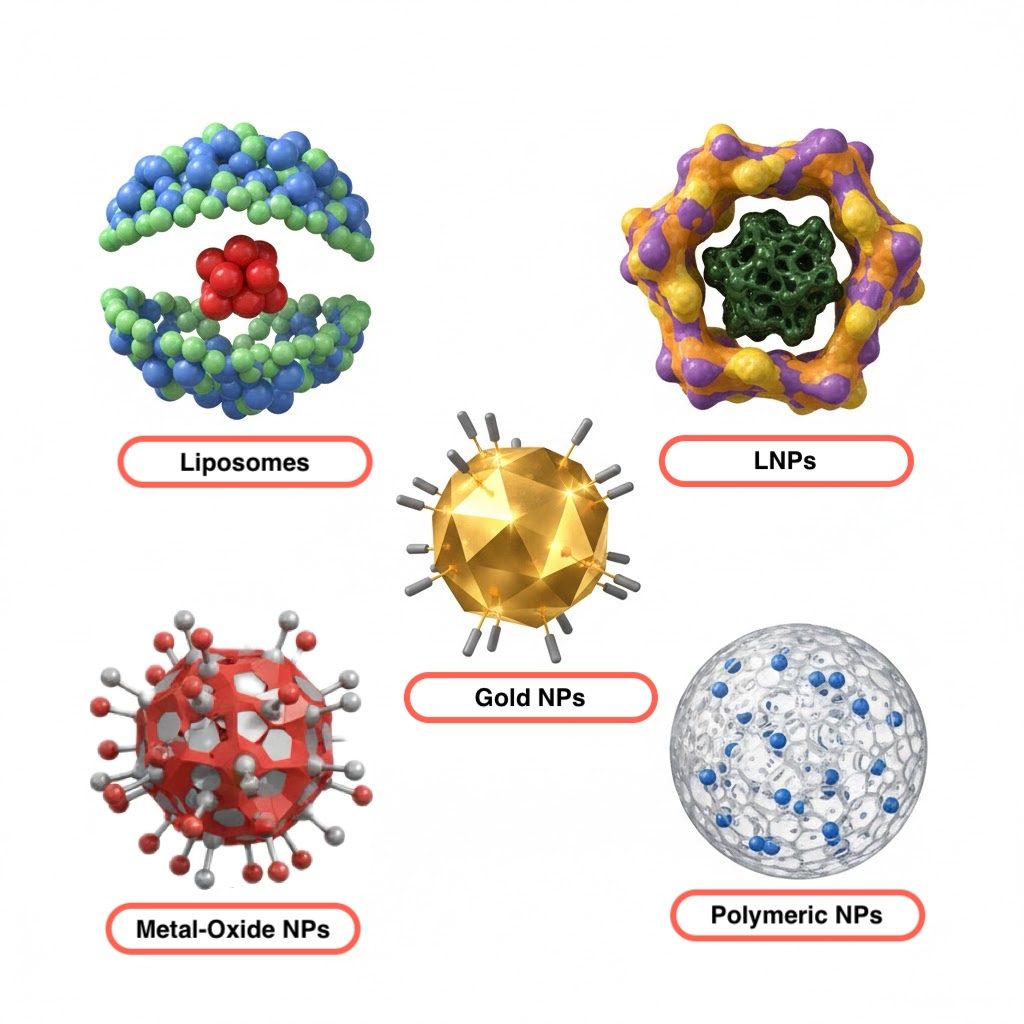
Unlike small molecules, nanomedicines are heterogeneous by nature. Size distribution, morphology, surface chemistry, encapsulation efficiency, and release behavior must all be understood early. Without strong analytics, you don’t truly know what product you have — or how consistent it is.
2. Analytical Methods for Nanomedicines Are Not Standardized like for Small Molecules
Techniques such as AF4-MALS, DLS, (cryo-)TEM, AFM, SEC-MALS, LC-MS, and CE require:
- deep technical expertise
- proper technique selection based on the properties and characteristics of the Nanomedicine
- careful interpretation of data
Many CROs and CDMOs struggle with nanomedicine analytics. Investing early ensures methods are fit for purpose, reproducible, and robust.
3. Minor Changes Can Cause Major Shifts in Product Behavior
Nanomedicines are extremely sensitive to:
- formulation changes
- process parameter changes
- raw materials differences
- scale-up conditions
Early analytics reveal how these variables affect CQAs like size, PDI, loading, release profiles, and stability. This prevents unexpected failures later.
4. Early Analytical Strength Reduces the Risk of Clinical Holds
Regulators frequently place holds on nanomedicine programs due to:
- insufficient characterization
- unclear impurities
- inconsistent batches
- inadequate stability data
Thorough analytical groundwork significantly lowers this risk.
5. Regulatory Expectations for Nanomedicines Are Higher and More Ambiguous
Agencies expect:
- deep physicochemical characterization
- multiple orthogonal methods
- clear justification of CQAs
- a robust control strategy
- understanding of structure–function relationships
Because regulatory guidance is not always definitive for nanomedicines, strong early analytics help you build a defensible scientific rationale.
6. CMC/Analytical Guidance crucial for Nanomedicines
CDMOs/CROs vary widely in experience with nanoparticles.
Early analytical leadership ensures:
- proper method development
- consistent release strategies
- controlled manufacturing parameters
- meaningful dialogue with vendors
This prevents misalignment, delays, and poor-quality data.
7. Stability Challenges Are Greater for Nanomedicines
Nanoparticles can degrade, agglomerate, release API prematurely, or change morphology during storage.
Without strong analytical methods early on, stability issues often surface late — when they are most costly.
8. Comprehensive Analytics Enable Strong CMC Storytelling
Nanomedicine programs must clearly explain:
- how the system works
- why the chosen CQAs matter
- how the process ensures product quality
This narrative depends entirely on high-quality early data.
Summary:
Nanomedicines are complex, and their behavior cannot be assumed. Their development requires deep characterization, robust CMC planning, and multiple orthogonal analytical methods from day one. Early investment in analytics helps reduce risk, accelerate optimization, and ensure regulatory readiness. It also prevents costly surprises, especially during scale-up or late-phase, where advanced expertise is essential. With strong data and a clear CMC strategy, early-phase biotechs can move faster, build investor confidence, and create a solid foundation for clinical success.